You Probably Don’t Want a Clone
Who are the right people to add to your team? Where will you find them?
Quick answer: You probably should think twice before adding a clone of yourself.
I’ll admit that it is tempting to add people who think like me, work in the same way I do, and tackle problems in the same manner.
What if that is the wrong approach?
Understand Your Working Genius
I highly recommend getting your hands on Patrick Lencioni’s book The Six Types of Working Geniuses. He describes the six fundamental stages of work needed to complete any type of project. These stages are wonder, invention, discernment, galvanizing, enablement, and tenacity. The stages span from dreaming of an idea or outcome all the way to putting the finishing touches on the plan.
Each of us operates in two of those stages as “geniuses” or strengths, two stages are “competencies,” and two stages are “frustrations.”
My working geniuses are invention and galvanizing, my competencies are discernment and wonder, and my frustrations are enablement and tenacity.
As a visionary and someone who defaults to invention and galvanizing, it would be a mistake to add another visionary with the same skillset to the team.
I need people on my team with gifts in discernment, enablement, and tenacity if I hope to get any work completed.
You Don’t Need a Clone
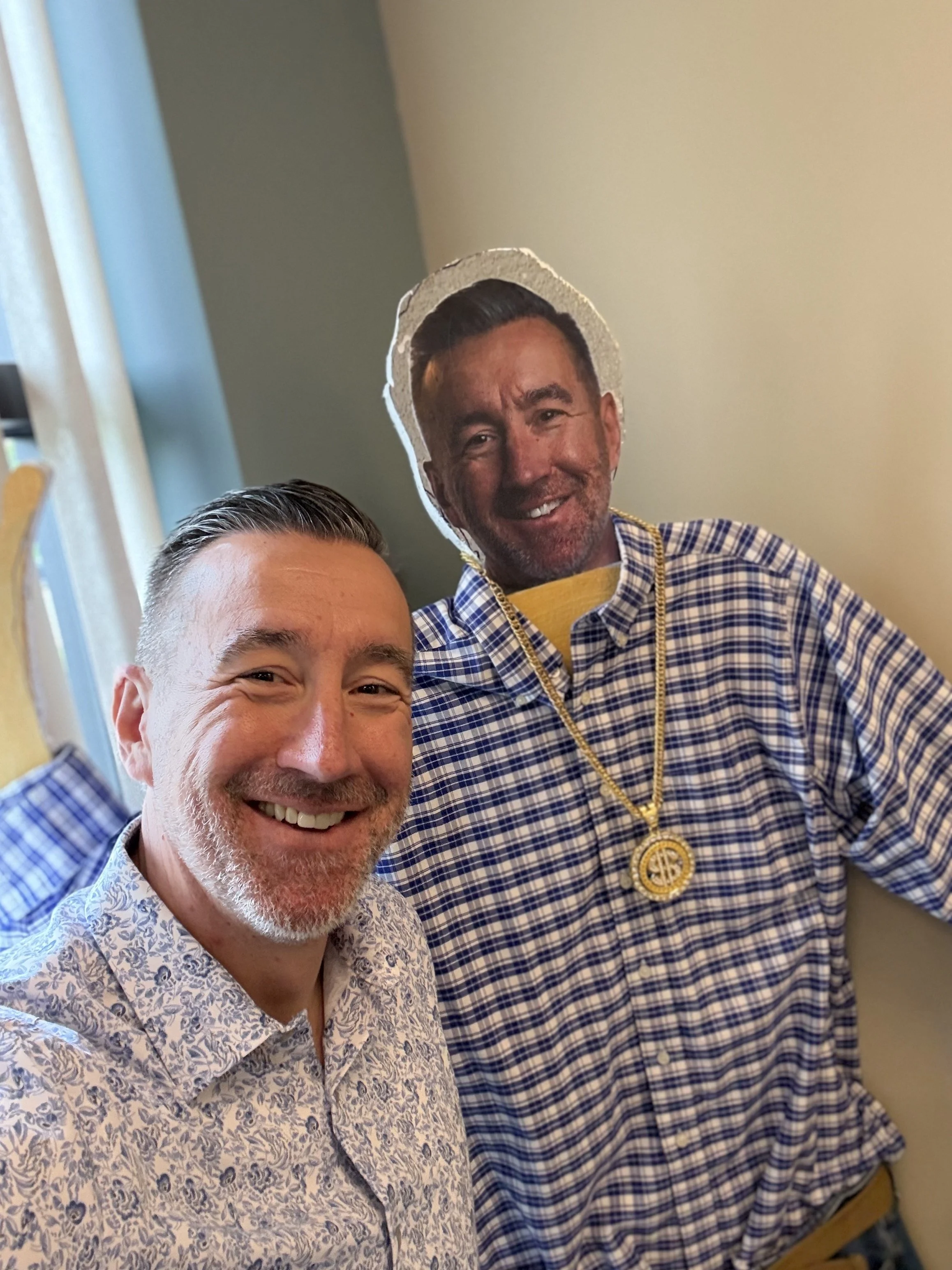
Don’t hire yourself. You are a lovely, gifted person, but the organization probably doesn’t need two of you.
What areas are weaknesses and zones of frustration for you? What types of work do you avoid and make excuses to skip? Hire for these areas, or your cause will suffer.
Does it drain you to think about details and to execute the finer points of a plan? You likely need someone with solid administrative and project management skills.
Do you get lost or confused in financial documents and spreadsheets? You likely need someone with strong financial acumen in your corner.
Are you often stuck in the office, frustrated and annoyed, knowing that your time would be better spent networking with community leaders and donors? You can solve that problem by finding people who have different strengths from yours.
Don’t be afraid to admit that you are not good at everything. God gave you specific gifts and did the same for other people.
Achieving Unlikely Good will require you to build a strong team. You will need people with diverse skills, surprising capacities, and strengths in those areas where you are not gifted.
The visionary without a team that can execute and integrate a vision is nothing more than a dreamer who won’t get things done.
You will need the right people to get you where you want to go.
The person who sees all the details may frustrate the person who wants to move quickly.
The person who asks difficult questions may slow down the person who is eager to act. But those differences are what make great teams.
Find Ideal Team Players
In his book, The Ideal Team Player, Patrick Lencioni suggests identifying and hiring people who are humble, hungry, and smart.
Humble people lack ego, give credit where it is due, and prioritize the team’s success over their own personal status.
Hungry people look for ways to do more, are self-motivated, eager to grow, and don’t need to be pushed.
Smart people aren’t intelligent people in the traditional sense of the word, but people with strong emotional intelligence. They listen attentively, are sensitive to the emotions in the room, and are remarkably self-aware.
Humble, hungry, and smart employees are the kind of ideal team players who will help your team remain united as you make progress.
Notice that nowhere does Lencioni suggest you look for someone just like you. You need people who are eager to contribute to something bigger than themselves.
Who Are You Missing?
Whether you lead a company, a nonprofit, a church, a community cause, or simply a team of people working toward a shared goal, the question is worth asking: Who am I missing?
Where am I weak? What type of work do I avoid because it drains me? What strengths would complement the team? Who sees what I don't see?
You are a lovely, gifted person, but the organization probably doesn’t need two of you.
Finding and recruiting the right people makes all the difference in the world. They come along at just the right time, see your vision, commit to your mission, and give the cause a boost that helps it to mature in ways you couldn’t imagine.
Don't go looking for a clone. Find the people who make you, your team, and your mission more effective.